


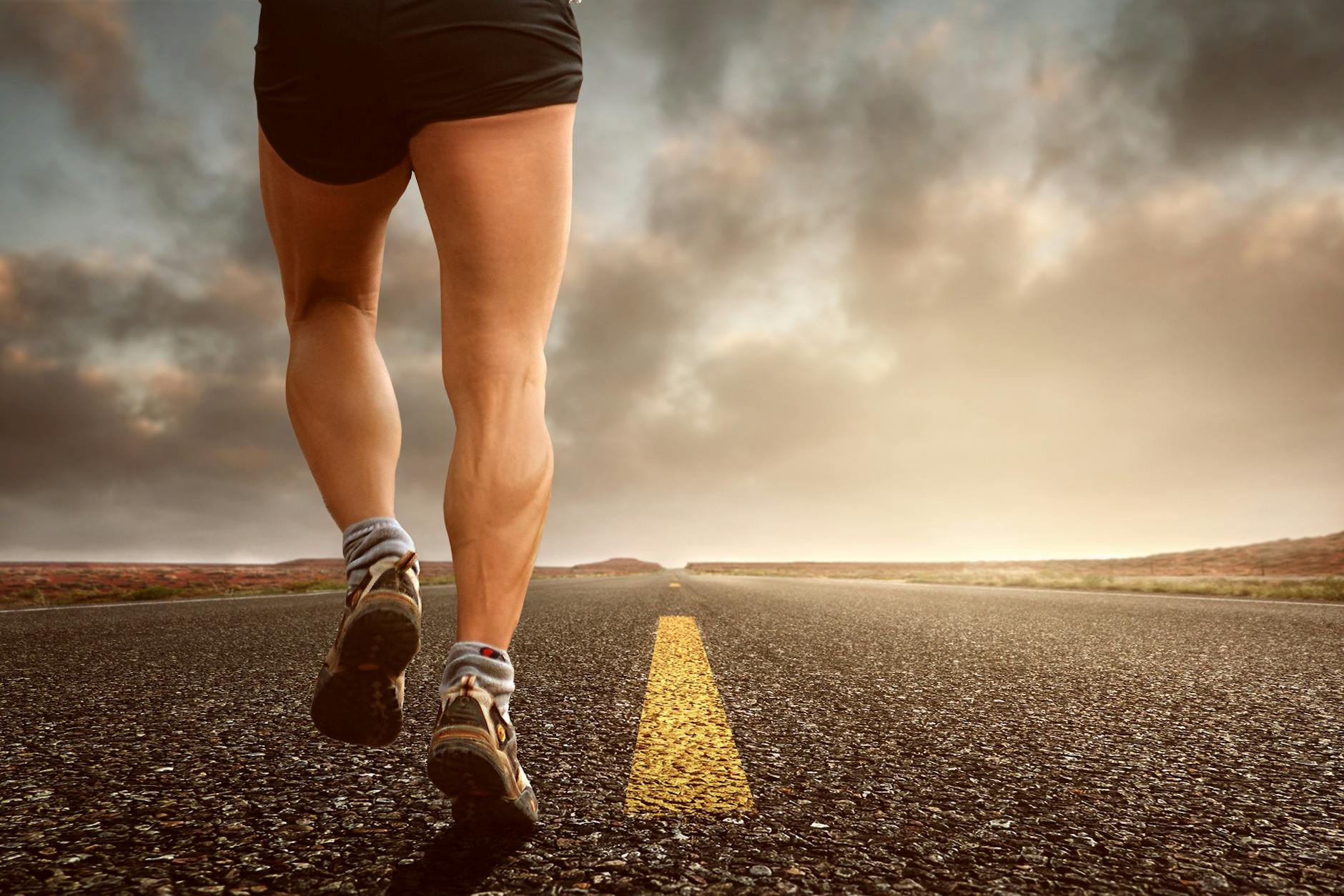
Leg fatigue rarely shows up all at once. It builds over miles, long workdays, travel, and back-to-back training sessions until your calves feel flat and your lower legs never quite reset. That is why many runners look for alpaca compression socks for running recovery: they want steady support without giving up comfort. Pure Athlete Alpaca Compression Socks combine 15-20 mmHg graduated compression with alpaca wool, giving runners a practical option for recovery days, long travel, cool-weather runs, and time on their feet between workouts.
Why Lower Legs Take a Beating During Training
Running asks a lot from your calves, shins, ankles, and feet. Every stride creates repeated impact and repeated muscle contractions, especially when you are building volume or mixing speed work with recovery miles. Over time, that can leave your lower legs feeling heavy, tight, or swollen. For many athletes, the goal is not a miracle fix. It is support that helps them feel more stable and more comfortable during the hours around training.
That is where graduated compression matters. Instead of squeezing evenly everywhere, graduated compression applies more pressure lower on the leg and less as it moves upward. The point is simple: encourage a supportive feel that helps with circulation and reduces that bogged-down sensation many runners notice after hard efforts. If you are training through long weeks or standing for hours after your workout, a sock designed for recovery support can make a real difference in how your legs feel from morning to night.
What Makes Alpaca Compression Socks Different
Not all compression socks feel the same because the fiber matters as much as the pressure level. This pair uses genuine alpaca wool, which Pure describes as breathable, moisture-wicking, thermoregulating, and warmer than traditional wool without feeling bulky. That matters for runners who want compression but dislike the hot, scratchy, or stiff feel that some recovery socks can have.
Pure also positions these socks as hypoallergenic and non-itch, which is helpful for athletes with sensitive skin or anyone who has stopped wearing wool-blend socks because of irritation. Add in the cushioned construction and the result is a product that can work across more situations than just race recovery. A runner can wear them after a long run, during a travel day, or while spending hours on their feet at work. If you want a sock that blends moderate compression with natural warmth and softness, this alpaca compression sock stands out for comfort as much as support.
Who Benefits Most from 15-20 mmHg Compression
The 15-20 mmHg range is a moderate compression level, which makes it approachable for a wide range of athletes. For runners, it can fit especially well in three situations: high-mileage training blocks, recovery days after long runs, and travel before or after races. If your calves tend to feel beat up late in a training week, moderate graduated support can feel more wearable than an ultra-tight race-day-style sock.
These socks also make sense for hikers, travelers, and people with long standing shifts, which lines up with the product description and tags. That versatility matters because many runners want gear they will use often, not something that sits in a drawer waiting for one event. At $40, this pair is positioned as a premium option, but the value proposition is clear: USA-made construction, alpaca wool comfort, cushioned protection, and support that can pull double duty across training and recovery. For athletes who already know they like compression but want a softer, warmer feel, Pure Athlete’s 15-20 mmHg socks are built for regular use rather than occasional wear.
When to Wear Them for the Best Practical Use
The easiest way to think about this product is not as a one-moment sock, but as a system-support sock. Wear it after long runs when your lower legs feel worked over. Pull it on for flights or long drives to races. Use it on cold mornings when you want warmth without a heavy feel. And if you spend a lot of time standing between workouts, it can serve as an all-day option rather than only a post-run accessory.
Because these are cushioned and designed for comfort, they also fit runners who want more than bare-minimum compression. Some athletes reserve compression for recovery only, while others like the secure feel during hiking, walking, or lower-intensity days. The best use case is the one you will actually repeat consistently: after hard efforts, during travel, or on long active days when your legs need a little extra help staying comfortable and fresh.

Product Spotlight: Pure Athlete Alpaca Compression Socks

Pure Athlete’s Alpaca Compression Socks are made in the USA and built around a clear combination of features: 15-20 mmHg graduated support, genuine alpaca wool, cushioned comfort, moisture-wicking performance, and versatile use for running, hiking, travel, and recovery. The product is offered in multiple colors and sizes from S through XL, with a starting price of $40. With inventory currently strong, this is an evergreen pick for runners who want a reliable recovery sock instead of a one-season purchase. View the product here and check the available color and size combination that fits your training routine best.
If your legs feel like they carry yesterday’s miles into today’s run, the right sock can do more than add warmth. It can give you a more supportive, more comfortable baseline for recovery, travel, and everyday wear. For runners who want moderate compression with natural fiber comfort, alpaca compression socks are a smart place to start.
Frequently Asked Questions
Who are these alpaca compression socks best for?
They are a strong fit for runners, hikers, travelers, and anyone who spends long hours on their feet and wants moderate lower-leg support with cushioned comfort. They are especially useful for athletes who like compression but want a softer, warmer natural-fiber feel.
What does 15-20 mmHg compression mean in practice?
15-20 mmHg is generally considered a moderate compression range. For many athletes, that means a supportive feel that is easier to wear regularly for recovery, travel, or long active days than a much tighter sock.
When should runners wear them?
Most runners will get the most practical use from them after long runs, during recovery days, while traveling to races, or during long periods of standing. Some athletes may also prefer them for walking, hiking, or lower-intensity days.
How do alpaca fibers change the feel of the sock?
According to the product details, alpaca fibers are breathable, moisture-wicking, thermoregulating, and softer than many traditional wool options. That can make the sock feel warmer without excess bulk and more comfortable for longer wear.
What sizes and colors are available?
This product currently comes in multiple colors including Black, Grey, and Navy, with sizes ranging from S to XL. It is worth checking the product page directly for the latest size-color combinations in stock.


