


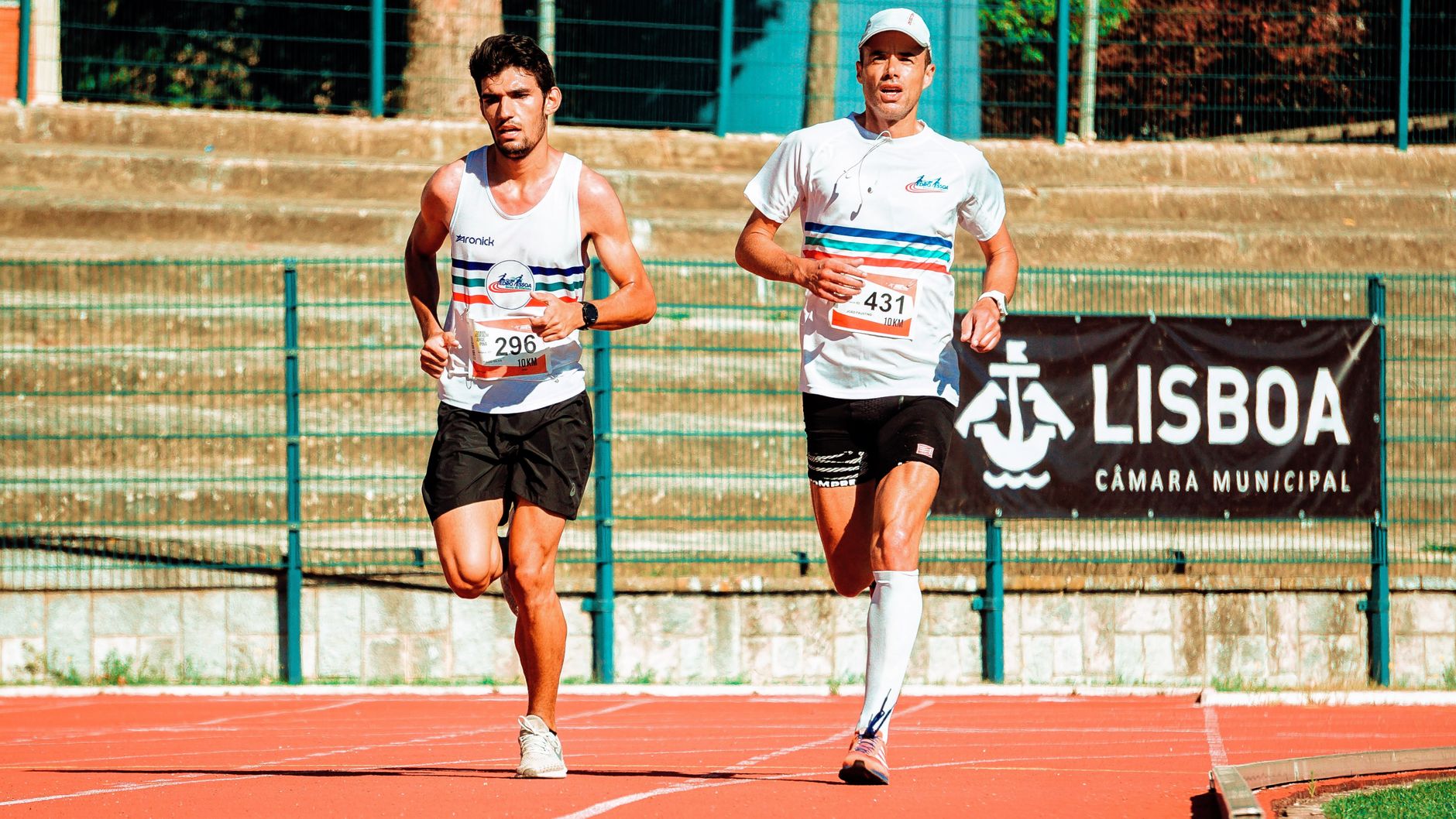
You do not recover from a marathon at the finish line. You recover in the next 48 hours, when every small choice starts to matter: how quickly you cool down, what you eat, when you get off your feet, and whether your lower legs keep filling up with stiffness after the race. A smart marathon recovery timeline keeps those first two days simple and practical. If you want one easy tool for the legs-heavy part of that process, Pure Athlete Alpaca Compression Socks, 15-20 mmHg Support fit naturally into the window right after the race and into the day that follows.
This is not a miracle-recovery plan. It is a realistic one for runners who want to walk normally on Monday, get swelling under control, and make better decisions than "sit still for six hours and hope for the best." If you want the broader big-picture version, Pure's Complete Marathon Recovery Guide covers the full recovery arc. This post narrows in on the first 48 hours, because that is where the biggest mistakes usually happen.
The First 30 Minutes: Keep Moving Before You Shut Down
The instinct after a marathon is simple: stop, sit, and stay there. The problem is that your body usually feels better if you resist that urge for a few minutes. A short walk after the finish helps your heart rate come down more gradually and gives your calves and feet a better transition than going straight from race pace to total stillness. You do not need a second workout. You need five to ten easy minutes of movement, plus dry clothes and fluids.
This is also the best time to change out of sweat-soaked socks if you have them on. Moisture, friction, and swelling all stack up late in a race. Clean, dry layers matter. If you already know your lower legs tend to feel heavy after hard efforts, pulling on 15-20 mmHg graduated compression socks once you have cooled down can be a smart move. The goal is not to "fix" the marathon. The goal is to support circulation and make the next several hours easier on your legs.
Keep the first half hour boring: walk, drink, eat something familiar, and avoid collapsing into a curb for a photo-op that turns into a 40-minute cramp session. Most runners do not underperform their recovery because they missed a fancy trick. They underperform it because they stayed motionless too long right after the race.
The Next 2 to 6 Hours: Refuel, Rehydrate, and Control the Swelling
Once the adrenaline starts wearing off, the real recovery work begins. This is the stretch where your quads start talking back, your feet notice every downhill mile, and your calves can feel puffy or tight. Eat a normal meal with carbohydrates, protein, and sodium as soon as your stomach is ready. Keep drinking steadily rather than trying to "catch up" all at once. If travel is involved, this window gets even more important, because long periods of sitting can make race-day swelling feel worse.
This is where compression becomes especially useful for runners who like clear, low-maintenance recovery habits. Pure's alpaca compression sock uses moderate graduated support at 15-20 mmHg, which is the range many runners choose when they want a firm but wearable recovery sock instead of a medical-feeling one. The alpaca blend also matters after a race: sweaty feet cool off fast, and a thermoregulating, moisture-managing sock is simply more comfortable to wear for hours than a clammy synthetic pair.
If you are driving home, standing in line, or sitting on a plane, compression can help keep your lower legs from feeling progressively worse as the day drags on. For the fit-specific version of that question, see Pure's guide to how long to wear graduated compression socks for runs, recovery, and travel. The short version: the race may be over, but your legs are still dealing with the cost of it.
Race Day Evening: Trade Hero Moves for Quiet Recovery Wins
By evening, the smartest marathoners stop trying to behave like they are fully recovered. This is the time to elevate your feet for a bit, eat again, and avoid the classic mistakes: too much walking, too much standing, too little food, or celebratory choices that leave you more dehydrated than you already are. Your recovery timeline improves when you reduce friction, not when you prove how tough you are six hours after the finish.
Expect stiffness when you stand up after sitting. That is normal. The trick is not to panic and then overcorrect by stretching aggressively. Gentle mobility is fine. A short walk around the hotel or the block is fine. A deep, painful "loosen everything up" session usually is not. Soreness tends to build as the day goes on, and many runners feel worse that night than they did 30 minutes after finishing.
Good recovery gear earns its place here because it lowers the effort required to do the right thing. If a pair of socks can keep your feet dry, reduce that heavy-leg feeling, and feel comfortable enough to wear through dinner, the product is solving a real post-race problem. That is why Pure's compression sock makes sense in a marathon routine: it combines graduated support with alpaca wool warmth and breathability, rather than forcing you to choose between recovery support and all-day comfort.
The Morning After: Judge Recovery by Function, Not by Feelings
The day after a marathon is rarely elegant. Stairs feel steep. Getting out of bed can feel like a negotiation. That does not mean something is wrong. It means you ran 26.2 miles. The key is to judge your recovery by function: Are you able to walk around? Are you eating and drinking normally? Can you get some easy movement without sharp pain? That matters more than whether your legs feel "fresh." They probably will not.
For most runners, the best move is an easy walk, light movement through the ankles and calves, and another low-stress day. Compression socks often fit well here because the day-after problem is less about performance and more about managing heaviness and swelling while life keeps moving. If you have to travel, go back to work, or spend time on your feet, a supportive sock becomes a practical piece of recovery gear rather than a niche extra.
Because Pure's pair is built from genuine alpaca wool and made in the USA, it also makes sense for runners who care about feel, not just compression level. The sock is priced at $40, which places it firmly in the premium category, but that premium shows up in the material choice, moderate 15-20 mmHg support, and the fact that it is meant to bridge sport, travel, and everyday recovery use instead of being a one-purpose race-day gimmick.

Our Recommendation: Where Compression Socks Fit in the 48-Hour Window

If you want one recovery item that is easy to use and easy to repeat, Pure Athlete Alpaca Compression Socks, 15-20 mmHg Support are a strong fit for marathoners. They deliver moderate graduated compression, use alpaca wool for breathable warmth and moisture management, and are versatile enough to wear after the race, during travel, and into the next day. Starting at $40, they are built for runners who want support without the overbuilt feel some recovery products have. View the product here.
The use case is straightforward. Put them on after you have cooled down and changed into dry gear. Wear them while you refuel, travel, or spend time off your feet. Reach for them again the next day if your calves still feel loaded or your ankles tend to swell after long races. That is a realistic recovery rhythm, and it matches how many runners actually live after an event: moving in and out of chairs, airports, hotel lobbies, and short walks rather than lying on a treatment table all day.
The Biggest 48-Hour Recovery Mistakes Marathoners Make
The most common mistake is thinking recovery starts tomorrow. It starts now. The second mistake is doing too much because you feel decent for one brief stretch. Marathon soreness often arrives in waves, and the wave that hits later on race day can surprise runners who spent the afternoon walking all over the city. Another mistake is ignoring the feet and calves specifically. They absorbed thousands of repetitive impacts, and they are often the first place swelling, friction irritation, and heavy-leg fatigue show up.
A final mistake is making recovery more complicated than it needs to be. The best marathon recovery timeline is not built around gadgets. It is built around repeatable basics: a cooldown walk, food, fluids, dry layers, a calm evening, easy movement the next morning, and tools that solve obvious problems. Compression socks fit that model well because they are simple, portable, and directly relevant to what marathoners usually complain about after the race: tired calves, stiff lower legs, and feet that feel beaten up.
Think of the first 48 hours as damage control plus setup. You are not trying to feel amazing. You are trying to reduce the downside, so your body can start rebuilding without extra friction from poor choices. Do that well, and the rest of your recovery week usually goes more smoothly.
A good marathon recovery timeline is less about hacks and more about timing. Move a little right away, refuel early, stay dry, keep swelling in check, and use gear that supports the legs without adding hassle. For runners who want one dependable option in that mix, Pure's alpaca compression socks are an easy place to start.
Frequently Asked Questions
What mmHg level is right for marathon recovery?
For most runners, 15-20 mmHg is the practical starting point. It is firm enough to feel supportive after a marathon without feeling overly restrictive. Pure Athlete's alpaca compression socks use that 15-20 mmHg range, which makes them a good fit for post-race recovery, travel, and long days on your feet.
How long should I wear compression socks after a marathon?
Many runners wear compression socks for several hours after the race and again the next day if their calves still feel heavy. Pure's graduated compression model is designed for extended wear, so it fits well into the first 48 hours of recovery. If you notice tingling, numbness, or discoloration, take them off and reassess the fit.
How do I choose the right size in Pure Athlete alpaca compression socks?
Use the product page size chart and check both your shoe size and calf fit before ordering. Pure Athlete offers this sock in sizes S through XL across several color options. A compression sock that is too loose will not feel supportive, while one that is too tight will be uncomfortable for long recovery wear.
Can I wear alpaca compression socks for travel after the race too?
Yes. That is one of the most useful times to wear them. If you are driving or flying home after a marathon, Pure's alpaca compression socks can carry over from immediate recovery into travel because they combine graduated support with breathable, moisture-managing alpaca wool.
How should I wash alpaca compression socks?
Wash them in cold water on a gentle cycle and let them air dry flat. Avoid high heat and fabric softeners, which can shorten the life of the wool blend and the compression fibers. Good care helps the socks keep their shape and support over time.


