


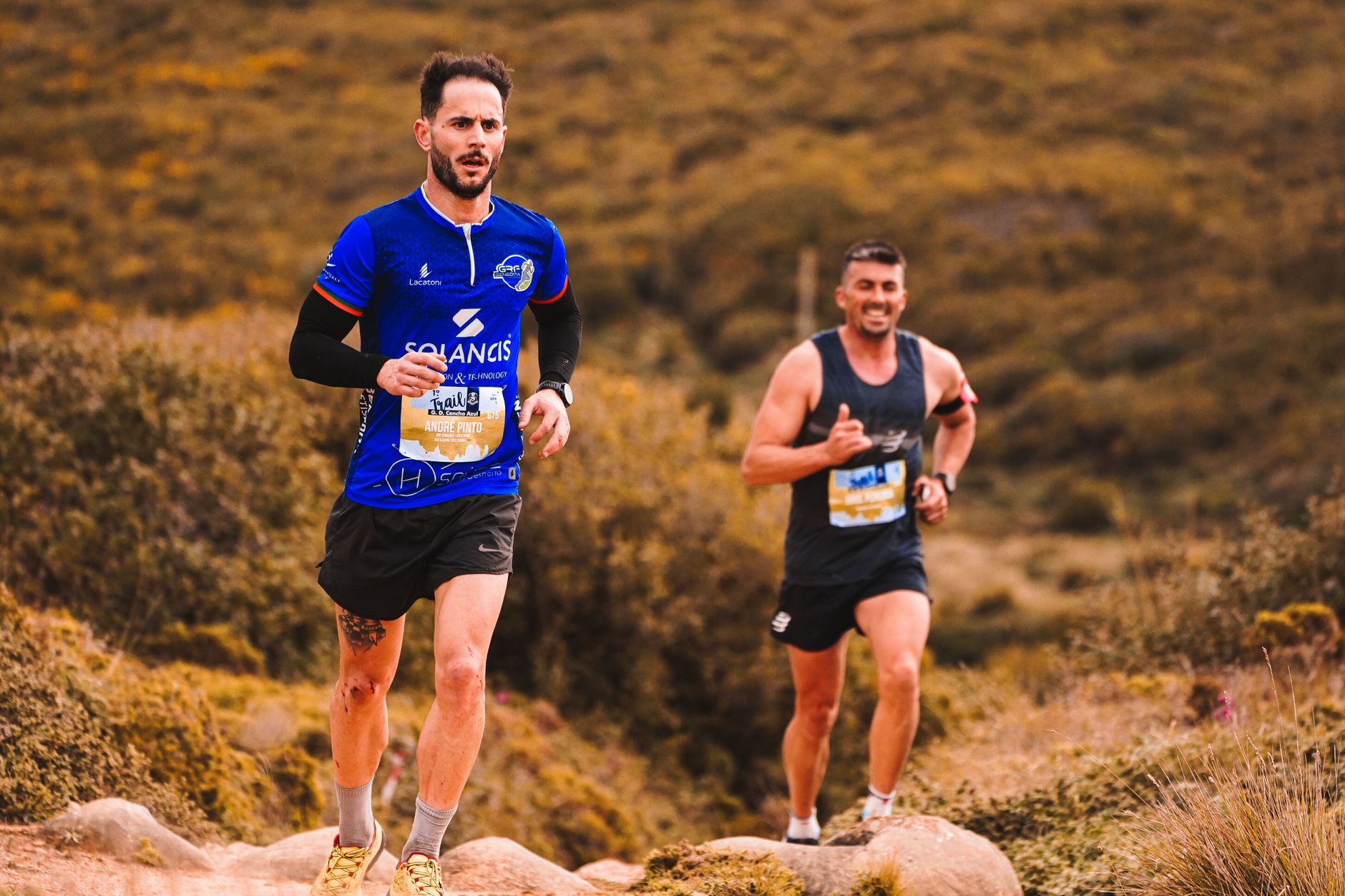
Most runners think about shoes first, then maybe shorts, then whatever socks happen to be clean. That usually works—until your feet get hot, your heel starts rubbing, or a damp sock turns a good run into a long last three miles. That is where fiber choice matters. If you have ever wondered why alpaca wool for athletic socks, the short answer is simple: the right fiber helps control moisture, reduce friction, and keep temperature steadier without adding bulk. For runners who want one sock that can handle cool mornings, sweaty workouts, and long hours on their feet, Pure Athlete's alpaca wool mini-crew running socks are a practical place to start.
Alpaca is not just a luxury-material talking point. For athletes, it changes how a sock behaves during real training. It can feel drier later in the run, warmer when conditions swing, and less irritating when your feet are already taking a beating. That matters whether you are logging easy road miles, hiking a wet trail, standing all day at a race expo, or pulling on recovery gear after a hard block.
Why Fiber Choice Matters More Than Most Athletes Think
Athletic socks fail for predictable reasons. They hold sweat, bunch inside the shoe, lose loft once they get damp, or create friction at exactly the wrong spot. Most runners blame shoe fit when the real issue is the layer sitting directly on the skin. The job of a good sock is not only comfort. It is also moisture control, pressure distribution, and friction management.
That is the strongest case for alpaca. Pure's current alpaca sock line is built around high alpaca content and performance construction rather than treating wool like a lifestyle add-on. The mini-crew running socks use 68% alpaca wool with nylon and spandex for shape retention, while the alpaca no-show running socks use the same 68% alpaca base in a lower-cut design. That means the material is doing the work, not just the branding.
For athletes, that shows up in three places. First, moisture matters because wet skin is easier to blister. Second, temperature matters because overheating can make your feet swell and slip. Third, surface feel matters because a sock that stays smooth and stable lets you stop thinking about your feet. Those are not flashy benefits, but they are exactly what serious runners care about once mileage goes up.
Alpaca Handles Moisture and Temperature Better Than a Typical Gym Sock
The best performance sock is usually the one you stop noticing. That comes from better moisture handling. Pure describes its alpaca products as moisture-wicking and thermoregulating, and that is the real athletic advantage: the sock works to keep sweat from turning into a soaked, sloshy layer against the skin.
On a summer run, that means your sock is less likely to feel swampy by the halfway point. On a cold start, it means you can get a little warmth without feeling trapped once your body temperature rises. That balance is why alpaca makes sense for athletes who train outside instead of in one perfectly controlled environment. Your morning can start at 48 degrees, climb to the mid-60s, and include shade, pavement heat, and a final sweaty cooldown. One sock has to handle all of it.
This is also where alpaca earns its spot in a rotation instead of being saved for winter only. Runners often assume wool means heavy and hot. Good alpaca socks are the opposite when they are built for movement. They give you insulation when you need it, but the bigger win is that they do not stay clammy as your session goes on. If you already liked the logic behind alpaca vs. merino for athletes, this is the practical version of that argument: the better sock is the one that manages changing conditions without forcing you to change gear.
Warmth Without Bulk Is a Bigger Performance Win Than People Realize
Runners do not need thick socks. They need socks that keep pressure points comfortable without changing the fit of the shoe. That is an important distinction. A bulky sock can crowd the forefoot, change lockdown, and create friction at the heel. A well-built alpaca sock aims for warmth and cushioning without that stuffed-into-the-shoe feeling.
That is one reason the mini-crew format works so well. It gives you more coverage than a no-show sock, but it still stays athletic and low-profile. On cool mornings, shoulder-season trail runs, or long walks after training, that extra coverage is noticeable. You get a bit more protection at the ankle and lower leg without moving into a tall, winter-only sock.
Pure's mini-crew running sock is built with a stay-up elastic cuff and seamless toe, which matters as much as the fiber itself. The cuff helps limit slippage and bunching. The seamless toe reduces the little fold or ridge that can turn into a hot spot after an hour. The result is not just “warmer socks.” It is a sock that keeps the shoe fit cleaner while still giving you the comfort benefits runners usually chase with thicker materials.
If you train mostly in low-cut shoes and want the least visible option, the alpaca wool no-show running socks bring that same material logic to a lighter profile. But if your question is why alpaca wool for athletic socks in general, mini-crew styles are often the easiest place to feel the difference.
Who Benefits Most From Alpaca Athletic Socks?
Alpaca works especially well for athletes who train in variable conditions and care more about consistency than fashion. Think runners doing early-morning road miles, trail runners who move through wet grass or mud, walkers who spend long hours on their feet, and athletes who hate the sticky, overheated feel of standard synthetic socks once a workout gets rolling.
It is also a smart choice for people who are friction-prone. If your heel rubs, your toes feel cramped after long efforts, or you keep dealing with low-grade hot spots that never become full blisters but still ruin the run, your sock is part of the problem. A smoother, drier-feeling wool blend can help because the foot is moving against a more stable surface.
There is also a recovery and travel angle. Athletes who like natural fibers during the run often want the same dry, comfortable feel afterward. That is where a rotation makes sense: a lower-cut running sock for daily miles, a mini-crew for cooler sessions, and a recovery option like alpaca compression socks with 15–20 mmHg graduated support for long travel days or post-run recovery. If you want the recovery-specific angle, Pure already covers that in its guide to graduated compression socks.

Our Recommendation: Alpaca Wool Mini-Crew Running Socks

If you want the most versatile Pure option for understanding why alpaca wool for athletic socks, start with the Alpaca Wool Mini-Crew Running Socks. They are priced at $25, made in the USA, and built with 68% alpaca wool plus reinforcement fibers for durability and shape retention. The product description highlights the exact features athletes care about most: thermoregulating warmth, moisture management, a seamless toe, and a stay-up cuff that helps prevent sliding and bunching.
That mix makes them easy to recommend to runners who want one sock for cool-weather miles, mixed-surface training, hiking days, and daily wear between workouts. Inventory is currently high, so this is not a scarcity buy. It is an evergreen gear upgrade for athletes who want more comfort from the first step to the cooldown walk.
View the Alpaca Wool Mini-Crew Running Socks →
How to Build an Alpaca Sock Rotation That Actually Gets Used
The best gear is the gear you reach for automatically. For most athletes, that means matching sock height to the day instead of trying to force one style into every workout. A no-show works well for hot road miles and low-cut trainers. A mini-crew gives you a little more coverage, a little more versatility, and a little more comfort when conditions are less predictable. A compression pair fills the recovery or travel role.
That approach matters because “best sock” is usually situational. The runner training through humid summer mornings may want a no-show on workout day and a mini-crew for the easy long walk later. The athlete heading into fall marathon prep may use the mini-crew as the daily default, then keep compression socks ready for post-run recovery or flights to a destination race. The point is not to own more gear for the sake of it. It is to use the right fiber in the right format.
If you have only worn standard synthetic running socks, alpaca usually feels like an upgrade in the least glamorous but most important way: fewer distractions. Less rubbing. Less soggy fabric late in the run. Less need to think about your feet at all. That is exactly why athletes keep coming back to better socks once they find a pair that works.
So why alpaca wool for athletic socks? Because athletes need gear that manages sweat, temperature, and friction without adding bulk or turning every run into a science project. Alpaca gives you a more balanced feel across changing conditions, and that makes it useful far beyond winter.
If you want one versatile pair to test the difference for yourself, the mini-crew is the strongest starting point. It covers more use cases than a no-show, still feels athletic in a running shoe, and gives you a clear read on what alpaca changes underfoot.
Frequently Asked Questions
Is alpaca wool scratchy for running socks?
Not for most runners. Alpaca is typically softer-feeling than many traditional wool socks, and Pure's mini-crew running socks are designed around comfort details like a seamless toe and a smooth athletic fit. If you are sensitive to standard wool, alpaca is often the better place to start.
How does alpaca wool compare to merino for athletic socks?
For athletic use, both are far better than basic cotton socks. Alpaca's edge is its warm-but-light feel and its ability to stay comfortable through changing conditions. If you want a deeper side-by-side breakdown, Pure's alpaca-versus-merino guide is a useful next read, but for many runners the practical difference is simple: alpaca feels dry, stable, and low-bulk on the move.
What is the difference between a mini-crew and a full crew sock?
A mini-crew sits above the ankle and gives you light lower-leg coverage without the taller feel of a full crew. Pure's Alpaca Wool Mini-Crew Running Socks are the more versatile athletic option for running, hiking, and everyday wear because they add coverage without making the sock feel bulky inside the shoe.
Will alpaca wool running socks shrink in the wash?
They can if you use heat. Wash alpaca socks in cold water on a gentle cycle and air dry them flat. That protects both the alpaca fibers and the reinforcement yarns that help the sock keep its shape over time.


